Home
/
Articles
/
BYOD Policies: Balancing Security and Flexibility
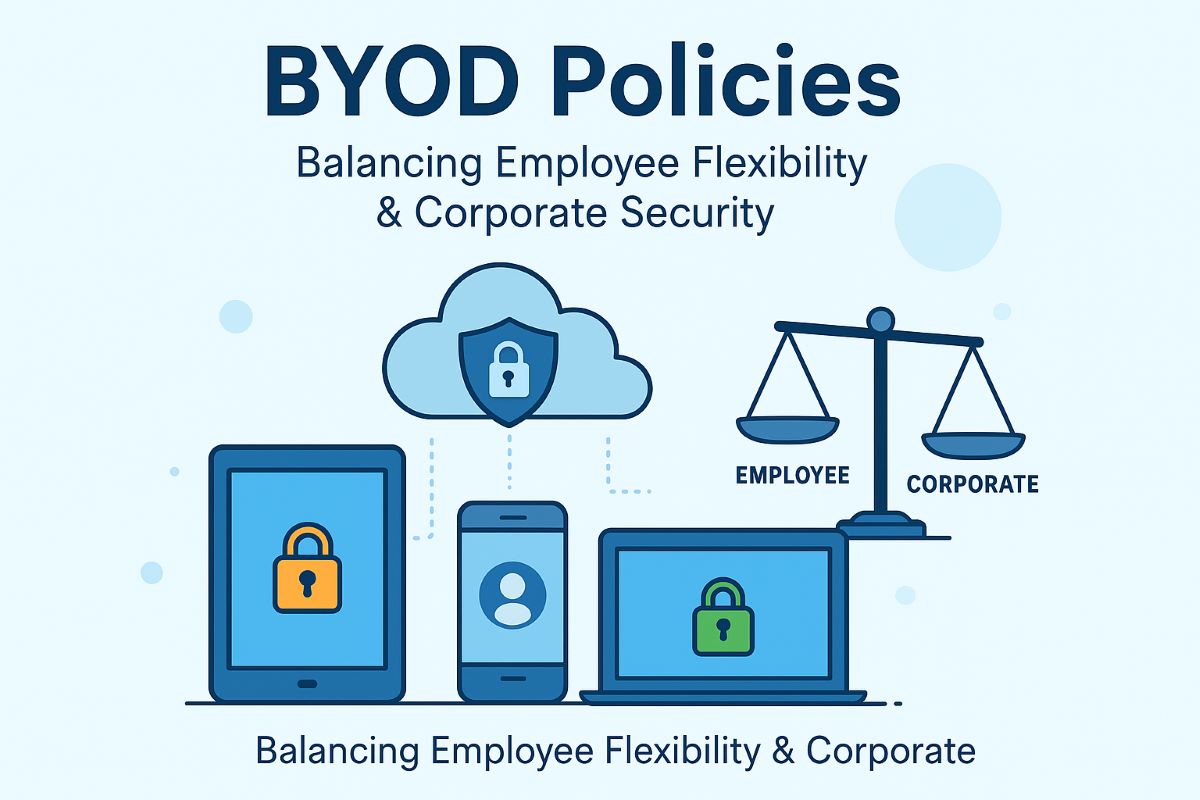
In today’s workplace, employees are increasingly using their personal devices for work tasks. Bring Your Own Device (BYOD) programs can boost productivity, reduce hardware costs, and improve employee satisfaction. But while BYOD offers clear advantages, it also introduces security and management challenges that organizations can’t ignore.
This article explores how businesses can implement effective BYOD policies that balance employee flexibility with corporate security.
Why BYOD is Gaining Popularity
The BYOD trend continues to grow for several reasons:
Familiarity: Employees prefer using devices they already know and are comfortable with.
Cost Savings: Companies can reduce expenses on hardware, maintenance, and device upgrades.
Mobility and Productivity: Mobile connectivity allows employees to work anytime, anywhere.
Despite these benefits, BYOD can introduce security vulnerabilities, compliance issues, and IT management complexities if not properly managed.
Key Risks of BYOD Programs
When employees bring personal devices into the workplace, organizations face several challenges:
Data Security: Personal devices may lack enterprise-grade encryption or malware protection.
Compliance Challenges: Regulations like HIPAA, GDPR, or PCI require strict control over company data.
Network Vulnerabilities: Personal devices connecting to corporate Wi-Fi may introduce risks.
Device Loss or Theft: Lost or stolen devices can expose sensitive information.
Unauthorized Apps: Apps installed by employees may conflict with company systems or introduce security gaps.
Best Practices for a Balanced BYOD Policy
To maximize the benefits of BYOD policies while mitigating risks, organizations should follow these best practices:
Define Clear Guidelines: Specify which devices are allowed, which apps can be installed, and what corporate data can be accessed.
Separate Work and Personal Data: Use containerization or secure apps to keep business and personal information separate.
Enforce Security Controls: Require passcodes, encryption, and regular updates.
Educate Employees: Ensure staff understand the risks and responsibilities associated with using personal devices for work.
Implement Access Controls: Limit access to sensitive resources based on role and device compliance.
Enforce passcodes and encryption on personal devices
Remotely wipe corporate data if a device is lost or stolen
Push updates and security patches automatically
Monitor devices for compliance without accessing personal data
These solutions help organizations maintain a secure BYOD environment while allowing employees to enjoy the flexibility of using their own devices.
Key Takeaways
A well-designed BYOD policy balances employee freedom with corporate security. By defining clear rules, educating staff, and leveraging mobile security platforms, businesses can enjoy the productivity and cost benefits of BYOD without compromising sensitive data.
For organizations looking to implement a secure BYOD program, Mobile Device Security Solutions provide centralized management and protection for employee-owned devices.
Secure Your BYOD Environment
Interested in learning how to secure your BYOD environment? Contact us to explore enterprise-grade Mobile Device Security Solutions tailored to your business.